
Last Updated: May 2026
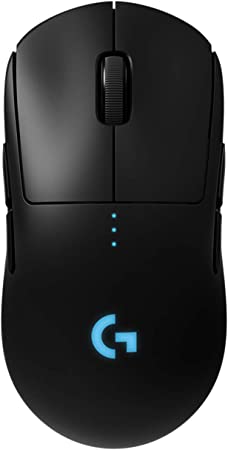
The Logitech G Pro X Superlight 2 and Razer DeathAdder V3 are two of the most acclaimed gaming mice available in 2026 — both used by professional esports players, both with flagship sensors, and both designed specifically for competitive gaming. But they take very different approaches and suit different types of players.
Quick Verdict
Choose the G Pro X Superlight 2 if you want the lightest possible wireless mouse with Logitech’s best sensor and a proven pro-level track record.
Choose the Razer DeathAdder V3 if you prefer a larger ergonomic right-hand shape, want optical switches, and prefer a wired connection at a lower price.
Side-by-Side Specs
| Feature | Logitech G Pro X Superlight 2 | Razer DeathAdder V3 |
|---|---|---|
| Sensor | HERO 25K | Focus Pro 30K |
| Max DPI | 32,000 | 30,000 |
| Switches | Mechanical | Razer Optical Gen-3 |
| Buttons | 5 | 6 |
| Weight | 60g | 59g |
| Shape | Ambidextrous | Right-handed ergonomic |
| Connection | LIGHTSPEED wireless | Wired USB-C |
| RGB | No | No |
| Software | Logitech G HUB | Razer Synapse 3 |
| Price | ~$130–160 | ~$50–70 |
Sensor Performance
Both sensors are among the best available. The Logitech HERO 25K and Razer Focus Pro 30K both deliver essentially flawless tracking with zero smoothing, acceleration, or jitter at competitive DPI ranges. RTINGS testing shows both sensors performing at the top tier — the practical difference in real gaming is imperceptible.
The Focus Pro 30K has a slightly higher maximum DPI (30,000 vs 32,000 on the Superlight 2) and includes Razer’s intelligent surface calibration. Neither detail meaningfully impacts competitive performance.
Winner: Tie — both are reference-class sensors
Weight — Ultralight Competition
This is where both mice shine. At 60g and 59g respectively, the G Pro X Superlight 2 and DeathAdder V3 are both ultralight mice designed to minimize fatigue and maximize speed. The weight difference between them is essentially one gram — negligible in practice.
Both achieve this without a honeycomb shell — both have solid bodies, just extremely well-engineered lightweight builds. The DeathAdder V3 is notably lighter than its predecessor (the V2 weighed 96g) which makes it a dramatic improvement for players who previously dismissed the DeathAdder as too heavy.
Winner: Tie
Shape and Ergonomics
This is the most significant practical difference between the two mice.
The G Pro X Superlight 2 is ambidextrous — it works for both left and right-handed players and suits fingertip and claw grip styles. The shape is compact and symmetrical, proven extensively in professional esports competitions. It’s one of the most used mice on the pro circuit.
The DeathAdder V3 is right-handed only with a sculpted ergonomic shape — wider thumb rest, contoured body, designed specifically for palm and claw grip. If you have medium to large hands and prefer an ergonomic mouse that fills your hand, the DeathAdder V3 shape is excellent. Left-handed players cannot use it.
Winner: Personal preference — Superlight 2 for ambidextrous/claw grip, DeathAdder V3 for right-handed palm/claw
Switches
The G Pro X Superlight 2 uses mechanical switches — reliable, tactile, and well-rated for click feel and consistency.
The DeathAdder V3 uses Razer’s Gen-3 optical switches — rated for 90 million clicks, with instantaneous 0.2ms actuation and complete elimination of double-clicking issues. For competitive play optical switches have a technical edge, though the practical difference is minimal for most players.
Winner: DeathAdder V3 for switch technology
Wireless vs Wired
This is a major differentiator in price and connectivity.
The G Pro X Superlight 2 is wireless-only via Logitech’s LIGHTSPEED technology — 1ms response time, effectively indistinguishable from wired. It’s also compatible with Logitech’s POWERPLAY wireless charging mousepad. The wireless freedom is a genuine quality of life improvement, especially for competitive players who dislike cable drag.
The DeathAdder V3 is wired-only via USB-C — zero latency, no battery to charge, and significantly cheaper. For players who don’t mind cables, the wired connection eliminates any battery anxiety entirely.
Winner: G Pro X Superlight 2 for wireless freedom, DeathAdder V3 for simplicity and price
Price and Value
This is where the decision gets clearer for most buyers. The DeathAdder V3 at $50–70 is one of the best value flagship gaming mice available — reference-class sensor, optical switches, ultralight build, and ergonomic shape at a very accessible price.
The G Pro X Superlight 2 at $130–160 asks a significant premium — primarily for LIGHTSPEED wireless. If wireless freedom is worth that premium to you, it absolutely delivers. If you’re happy with wired, the DeathAdder V3 gives you 90% of the performance at 40% of the price.
Winner: DeathAdder V3 for value, Superlight 2 for wireless premium
What Gamers and Pros Say
The G Pro X Superlight 2 is one of the most used mice on the professional esports circuit. Its combination of LIGHTSPEED wireless, ultralight build, and HERO sensor makes it a genuine pro choice. Amazon reviews consistently praise the wireless performance and build quality.
The DeathAdder V3 has received exceptional reviews since launch, widely regarded as one of the best value gaming mice at any price. The combination of optical switches, 59g weight, and Focus Pro sensor at $50–70 makes it hard to beat for value-conscious buyers.
Which Should You Buy?
Buy the G Pro X Superlight 2 if:
- Wireless is a priority for your setup
- You’re left-handed or prefer ambidextrous shape
- You play at pro or semi-pro competitive level
- Budget extends to $130–160
Buy the Razer DeathAdder V3 if:
- Value is a priority — it’s $70–90 cheaper
- You prefer a larger right-handed ergonomic shape
- You prefer wired or don’t need wireless
- Optical switches appeal to you
Both are genuinely excellent mice. The DeathAdder V3 is the better value by a significant margin. The G Pro X Superlight 2 is worth the premium specifically for LIGHTSPEED wireless.
Frequently Asked Questions
Is the G Pro X Superlight 2 worth the price over the DeathAdder V3?
If wireless matters to you, yes — LIGHTSPEED wireless is genuinely excellent and cable-free competitive gaming is a real quality of life improvement. If you’re happy with wired, the DeathAdder V3 is hard to justify spending an extra $80–90 over.
Is the DeathAdder V3 good for FPS games?
Yes — the Focus Pro 30K sensor, 59g weight, and optical switches make it an excellent FPS mouse. The ergonomic right-hand shape suits players who prefer a larger mouse. It’s been used by professional players in Valorant and CS2 since launch.
Does the G Pro X Superlight 2 have RGB?
No — Logitech deliberately removed RGB from the Superlight series to reduce weight. If RGB is important for your setup, consider the standard G Pro X instead.
What’s the difference between the DeathAdder V3 and V3 Pro?
The V3 Pro adds LIGHTSPEED wireless connectivity, making it the wireless version of the V3. Same sensor, same optical switches, same shape — just wireless at a higher price point (~$130–150).
Have you tried either of these gaming mice? If so, let me know what you think in the comments! Also, if you are still not sure which gaming mouse to go with, we also compared the Logitech G305 to the Razer DeathAdder v2.